From Cleaning to Couplets: The Rich History of CNY Customs
The Lunar New Year, often known as Chinese New Year (CNY) or Spring Festival, is the most significant annual celebration in China and across many Asian communities worldwide. Far more than just a single day of festivities, it’s a vibrant, multi-faceted period steeped in thousands of years of history and tradition. From the meticulous preparations that begin weeks in advance to the joyous family reunions and symbolic decorations, Chinese New Year Traditions are deeply intertwined with aspirations for good fortune, prosperity, and a fresh start. This comprehensive guide explores some of the most enduring and fascinating customs that transform homes and hearts during this auspicious time.
Sweeping Away the Old: Pre-Festival Preparations
The period leading up to Chinese New Year's Eve is bustling with activity, as families diligently prepare their homes and minds for a new beginning. These initial traditions are crucial for setting the stage for good luck in the coming year.
- The Annual Deep Cleanse: Clearing Out "Old Dust"
One of the first and most widely observed Chinese New Year preparations is a thorough house cleaning. This isn't just about tidiness; it's a profound symbolic act. In Chinese, the word for "dust" (尘, chén) is a homophone for the word "old" (陈, chén). Therefore, an annual year-end cleaning is believed to metaphorically "sweep away" the old troubles, misfortunes, and bad luck accumulated over the past year. Every corner, every wall, and even the smallest nooks are meticulously cleaned, symbolizing the purification of the home and creating an inviting space for new opportunities and positive energy. This tradition also encourages families to declutter, donate, or discard items that no longer serve a purpose, embodying the spirit of renewal. - New Year Shopping: Welcoming Freshness and Abundance
Once the house is sparkling clean, the focus shifts to bringing in newness. New Year shopping is a vibrant custom, signifying the welcoming of new things and a readiness for a fresh start. This goes beyond just groceries; it often includes purchasing new clothes for every family member, new furniture, household items, and even new dishes. The belief is that surrounding oneself with new items symbolizes an influx of new blessings and prosperity. The shopping list for food is equally extensive, filled with specific items for the reunion dinner and festive snacks. Meats, fresh vegetables, and fruits are staples, while an abundance of candies, nuts, and seeds are popular choices, often arranged beautifully on tea tables to offer guests, symbolizing a "sweet" and prosperous year.
Art and Symbolism: Decorating for Good Fortune
As the New Year approaches, homes transform into canvases of red and gold, adorned with intricate decorations, each carrying a deep symbolic meaning designed to attract luck, wealth, and happiness.
- Spring Festival Couplets: Poetic Blessings on Doorways
The tradition of pasting Spring Festival Couplets (Chūnlián) on doorways dates back over 1,000 years, to the Later Shu State (934-965 AD). Initially, these were simple peach wood planks (Tao Fu) believed to ward off evil. During the Song Dynasty (960-1279 AD), people began writing antithetical couplets—parallel verses expressing good wishes—on the wood. Eventually, red paper replaced the wood, leading to the modern form we see today. These couplets typically consist of two vertical scrolls pasted on either side of a doorframe and a shorter horizontal scroll placed above. Written in elegant calligraphy, they often convey hopes for prosperity, health, peace, and family harmony. For example, a common couplet might express wishes for "Spring full of joy and prosperity" on one side, and "Good fortune and peace for the family" on the other. It's an art form that beautifully blends poetry, calligraphy, and cultural aspiration. - The Upside-Down "Fu" Character: Happiness Arrives
Perhaps one of the most recognizable Chinese New Year decorations is the character "Fu" (福), meaning good fortune, blessing, or happiness. It's commonly pasted on gates, doors, and furniture. A particularly charming custom is to paste the "Fu" character upside down. This seemingly simple act carries a clever linguistic play: the word for "upside down" (倒, dào) is a homophone for the word "arrive" (到, dào). Thus, an upside-down "Fu" is interpreted as "Fu dao le" (福到了), meaning "happiness or good fortune has arrived!" This tradition beautifully illustrates the cleverness and optimism embedded in Chinese New Year Traditions. While historically these were hand-written, today printed versions are widely available and often given as gifts by shops. - Intricate Chinese Knots: Threads of Longevity and Love
Chinese knots are exquisite, decorative handicrafts that play a significant role in adorning homes during CNY. Their origins can be traced back to practical uses, such as stringing jade pendants or decorating traditional musical instruments. Today, they are celebrated for their intricate, symmetrical designs and rich symbolism. Made from a single piece of cord, typically red, these knots represent longevity, eternity, unity, and good fortune, as the continuous nature of the knot signifies "never-ending" blessings. They come in various sizes and designs, from small charms used as gifts or curtain decorations to large, elaborate hanging ornaments that grace living spaces, adding a touch of elegance and profound cultural meaning. - Window Paper-Cuts: Delicate Art for a Prosperous Year
The ancient art of paper-cutting (Jiǎnzhǐ) is another cherished tradition during Chinese New Year. These delicate, often red, paper cut-outs are typically pasted on windows, creating stunning silhouettes against the light. The craftsmanship involved is remarkable, with intricate designs depicting auspicious symbols like the twelve zodiac animals, vibrant flowers (such as peonies for wealth or plum blossoms for resilience), mythical creatures, and characters representing prosperity and good luck. This time-honored handicraft is not just a decoration; it's an expression of people's hopes and dreams for the coming year, transforming ordinary windows into festive spectacles that welcome joy and repel negativity.
The Heart of the Celebration: Family and Feast
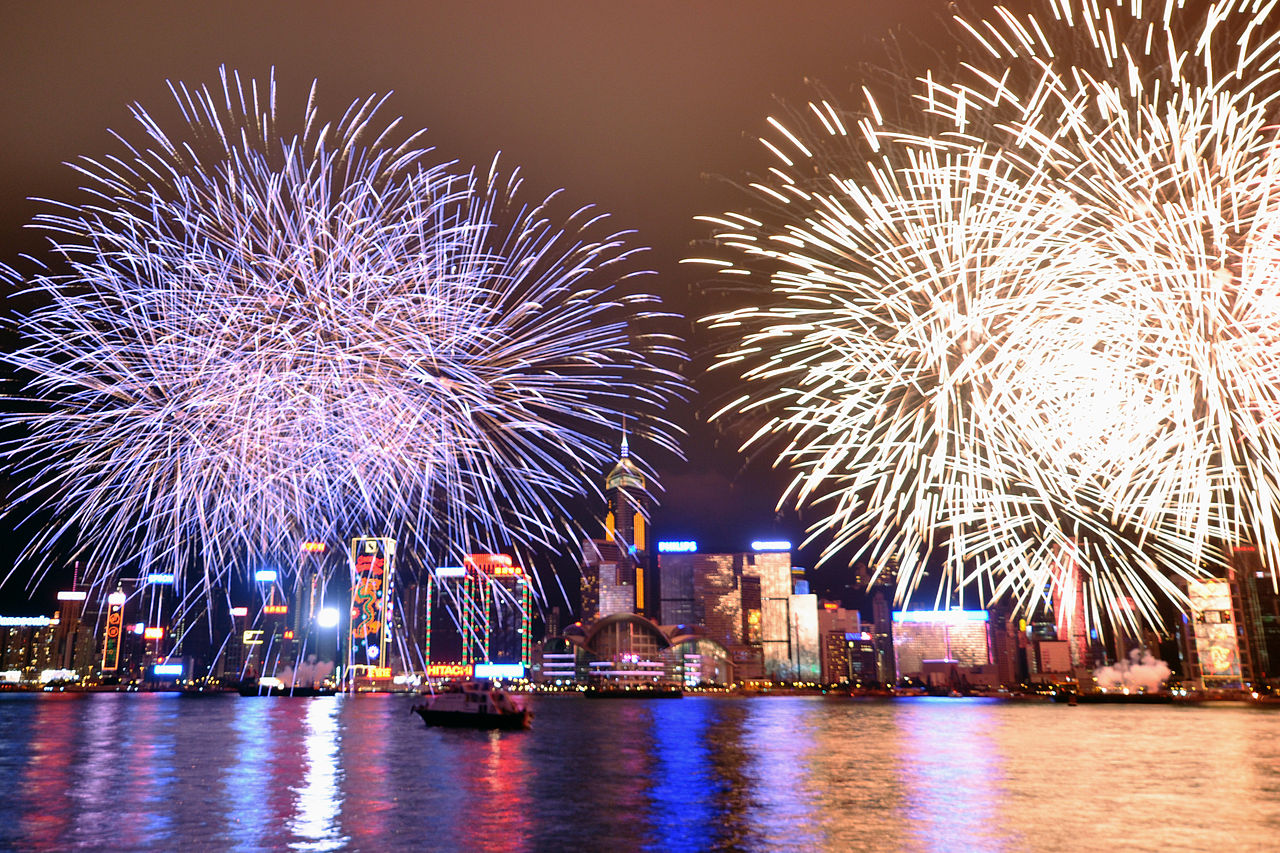
While preparations and decorations set the stage, the true essence of Chinese New Year lies in its focus on family, community, and the shared anticipation of a prosperous future. The New Year's Eve dinner, known as Nian Ye Fan or the Reunion Dinner, is arguably the most important meal of the year. Families travel great distances to gather, sharing traditional dishes, each imbued with symbolic meaning. Eating dumplings, for instance, symbolizes wealth because their shape resembles ancient Chinese gold ingots. Setting off fireworks and firecrackers, another ancient custom, is believed to scare away evil spirits and usher in good luck with their loud bangs and dazzling displays.
The celebrations traditionally last for 15 days, concluding with the Lantern Festival. Each day holds its own customs and significance, reinforcing the themes of family, fortune, and renewal throughout the entire period.
In conclusion, the rich tapestry of Chinese New Year Traditions offers a fascinating glimpse into a culture deeply rooted in symbolism, family values, and optimism. From the practical act of cleaning to the artistic expression of couplets and paper-cuts, every custom serves a purpose: to sweep away the old, embrace the new, and invite an abundance of good fortune and happiness for the year ahead. These timeless customs not only connect generations but also remind us of the universal human desire for renewal and prosperity.