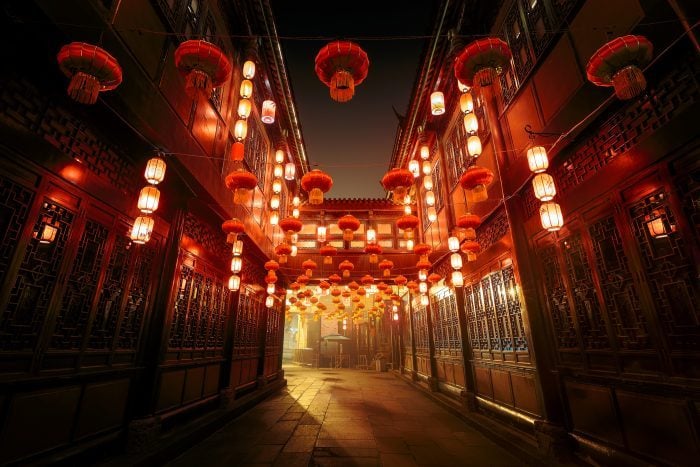
Unlock Prosperity: Must-Know Chinese New Year Traditions
As the Lunar New Year approaches, a vibrant tapestry of ancient customs and heartfelt celebrations unfurls across China and Chinese communities worldwide. Far more than just a single day, the Chinese New Year — also known as the Spring Festival — is a magnificent, 15-day spectacle rooted in thousands of years of history and tradition. It’s a time for families to reunite, usher out the old, and welcome an abundance of good fortune and prosperity for the coming year. Understanding these significant Chinese New Year traditions offers a fascinating glimpse into a culture that deeply values family, harmony, and auspicious beginnings.
From meticulous preparations that begin a week before the New Year's Eve to the grand finale of the Lantern Festival, every custom serves a purpose, steeped in symbolism and a collective hope for a better tomorrow. While you might be familiar with the iconic family reunion dinner, the joyous crackle of fireworks, or the delicious art of making dumplings, there's a wealth of other interesting customs that form the backbone of this auspicious festival.
Sweeping In Good Fortune: Pre-New Year Preparations
The days leading up to Chinese New Year are a whirlwind of activity, meticulously designed to cleanse the past and prepare a pristine canvas for future blessings. These preparations are not merely chores; they are ritualistic acts of intention, laying the groundwork for a prosperous year ahead.
Cleaning Up: Warding Off the Old, Welcoming the New
One of the oldest and most significant Chinese New Year traditions is the thorough cleaning of the home. This isn't just about tidying up; it's a deep, spiritual cleansing. Every corner, from floor to ceiling, is meticulously scrubbed and dusted. The Chinese word for "dust" (尘, chén) is a homophone for the word "old" (��, chén). Therefore, this annual ritual of "sweeping away the dust" symbolizes driving away the old, negative energies, and bad luck accumulated from the past year. It makes way for new opportunities and good fortune to enter the house. This practice ensures that no remnant of misfortune lingers to taint the fresh start that the New Year promises. For more insights into this vital preparation, explore Sweeping Away Bad Luck: Chinese New Year Preparations.
Practical Tip: Involve the whole family in this deep cleaning! It's not just a chore; it's a bonding activity that instills a sense of shared responsibility and anticipation for the festivities.
New Year Shopping Spree: Embracing Novelty and Abundance
After the house is sparkling clean, families embark on a joyous shopping spree. This tradition goes beyond merely stocking up; it's about purchasing new items to symbolize welcoming new beginnings and getting ready for a fresh start. From a brand-new outfit for each family member to new furniture or even new kitchenware, these purchases signify a desire for prosperity and renewal. The belief is that if you start the year with new things, you'll have new and good things throughout the year.
Food, of course, features prominently on the shopping list. Meats, fresh vegetables, and vibrant fruits are essentials for the elaborate feasts to come. However, no Chinese New Year shopping list is complete without an abundance of candies, nuts, and dried fruits. These sweet treats are later artfully arranged on tea tables in every household, ready to be shared with visiting guests, symbolizing a "sweet" and fruitful year.
Adorning Your Home: A Canvas of Prosperity
Once the cleaning is done and new goods are acquired, the focus shifts to decorating the home. Red and gold dominate the color palette, not just for their festive appeal, but for their profound symbolic meanings. Red symbolizes joy, vitality, and warding off evil spirits (like the mythical Nian beast), while gold represents wealth and prosperity. The act of decorating itself is a communal activity, infusing the home with a palpable sense of anticipation and good cheer.
- Paste Spring Festival Couplets: These poetic couplets, written on vibrant red paper, are typically pasted vertically on either side of a doorway, often accompanied by a horizontal scroll above. The tradition dates back over a thousand years, evolving from protective peach wood charms (Taofu) to written verses expressing good wishes during the Song Dynasty. Modern couplets carry antithetical lines of poetry, conveying hopes for prosperity, happiness, and good fortune. They are a beautiful and literary expression of aspirations for the coming year. To delve deeper into the origins of these decorative customs, check out From Cleaning to Couplets: The Rich History of CNY Customs.
- Paste the "Fu" Character: The character "Fu" (福), meaning good fortune or happiness, is a ubiquitous sight during Chinese New Year. It is often pasted on gates, doors, and even furniture. A particularly charming and widely adopted custom is to paste the "Fu" character upside down (倒福, dào fú). This is because the word for "upside down" (倒, dào) is a homophone for "arrive" (到, dào). Thus, an upside-down "Fu" character cleverly signifies "good fortune has arrived" or "happiness has arrived."
- Chinese Knots: These intricate decorative knots, traditionally crafted from a single piece of rope, are another beautiful element of Chinese New Year decor. Historically used to string jade pendants or adorn musical instruments, they are now widely used as decorative hangings in homes. Each knot design carries its own symbolism, often representing longevity, prosperity, and good luck, making them popular gifts and ornaments.
- Paste Window Paper-Cuts: A time-honored handicraft, delicate paper-cuts adorn windows, transforming them into works of art. These intricate designs, often depicting auspicious animals, flowers, or characters, carry people's wishes for prosperity and health. They allow light to filter through, casting beautiful patterns and adding an ethereal touch to the festive home.
The Heart of the Celebration: Family & Feasting
While the preparations are vital, the true essence of Chinese New Year lies in the coming together of family and the sharing of abundant feasts. These moments are filled with laughter, storytelling, and the reaffirmation of familial bonds.
The Reunion Dinner (Nian Ye Fan): A Culinary Symbol of Togetherness
The New Year's Eve dinner, or Nian Ye Fan, is arguably the most important meal of the entire year. It is a grand family reunion, where every family member, no matter how far they live, endeavors to return home. This lavish banquet features an array of dishes, each carefully chosen for its symbolic meaning, designed to bring good luck, prosperity, and happiness. While specific dishes vary by region, certain items are staples for their auspicious names or shapes:
- Dumplings (Jiaozi): Shaped like ancient Chinese gold ingots, dumplings symbolize wealth and prosperity. Families often gather to make them together, a communal activity that strengthens bonds.
- Fish (Yu): Often served whole, fish represents abundance and surplus (鱼, yú, sounds like 余, yú, meaning "surplus"). The head and tail are often left intact, signifying a good beginning and end to the year.
- Spring Rolls (Chun Juan): Resembling gold bars, these crispy delights symbolize wealth.
- Longevity Noodles (Changshou Mian): Extra-long noodles are eaten to wish for a long life, with care taken not to cut them.
- Glutinous Rice Balls (Tangyuan): Often eaten on the Lantern Festival, their round shape symbolizes family reunion and completeness.
The dinner is a boisterous affair, filled with toasts, shared stories, and the joyous energy of family rediscovered. It’s a powerful reminder of the importance of kinship and belonging.
Setting Off Fireworks and Firecrackers: Scaring Away Evil, Welcoming Joy
As the clock strikes midnight on New Year's Eve, the air erupts with a cacophony of fireworks and firecrackers. This centuries-old tradition is rooted in the belief that the loud noises and bright lights scare away evil spirits and the mythical beast Nian, ensuring a safe and prosperous year. Beyond warding off evil, the fireworks also symbolize joy, celebration, and the enthusiastic welcoming of the new year with a spectacular display of light and sound. It’s a truly exhilarating sensory experience that marks the peak of the New Year's Eve festivities.
Beyond the Eve: Sustaining Prosperity for 15 Days
The celebrations don't end with the fireworks on New Year's Eve. Chinese New Year traditionally spans 15 days, with each day often having its own set of customs and significance, concluding with the mesmerizing Lantern Festival.
Throughout these days, people engage in various activities aimed at reinforcing good fortune. Visiting relatives and friends, exchanging blessings, and distributing red envelopes (hongbao) filled with "lucky money" to children and unmarried adults are common practices. These envelopes symbolize good wishes and are believed to ward off evil. The color red, again, plays a crucial role here.
The culmination of the Chinese New Year traditions arrives on the 15th day with the Lantern Festival (元宵节, Yuánxiāo Jié). This enchanting festival features magnificent lantern displays, often depicting animals, mythical creatures, and historical scenes. Families gather to admire the lanterns, solve riddles pasted on them, and eat tangyuan – sweet glutinous rice balls – symbolizing reunion and completeness. Dragon and lion dances often parade through the streets, adding to the festive atmosphere, bringing the vibrant celebrations to a beautiful and symbolic close.
Conclusion: A Tapestry of Hope and Renewal
The Chinese New Year is a profound celebration that goes far beyond mere festivities. It is a time-honored series of rituals and customs that weave together themes of family, renewal, respect for tradition, and an unwavering hope for a prosperous future. From the meticulous cleaning and auspicious decorations to the joyous reunion dinners and the symbolic fireworks, every aspect of these Chinese New Year traditions is infused with meaning and purpose. They provide a powerful way to reflect on the past year, cleanse oneself of negativity, and embrace the coming year with optimism and a renewed sense of purpose. Whether you're celebrating with family or simply learning about these rich customs, understanding them enriches our appreciation for one of the world's most significant cultural holidays.